












Analysis by Arab Center Washington DC: Iran’s Nuclear Leverage Survives the War
By Sina Azodi
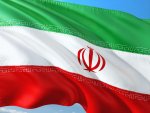
When President Donald Trump, in close partnership with Prime Minister Benjamin Netanyahu, attacked Iran on February 28, 2026, he anticipated the total capitulation of the Islamic Republic.
Although the opening phase of the campaign inflicted significant damage on Iran’s military and nuclear infrastructure, and eliminated the top echelon of its political leadership, Tehran refused to yield.
Instead, it absorbed the aerial bombardment and responded asymmetrically, launching missiles and drones against Gulf Cooperation Council (GCC) states and disrupting shipping through the Strait of Hormuz.
By threatening one of the world’s most important energy chokepoints, Iran demonstrated its capacity to impose substantial economic costs on both the region and the international community.
Like many political leaders before him, Trump fell victim to the illusion of quick victory, underestimated Iran’s resolve and capacity to fight back, and ultimately miscalculated Iran’s response.
Over the course of Operation Epic Fury—which Iranians have called the Ramadan War—Tehran absorbed severe punishment from the air by two nuclear weapon states but responded by targeting progressively higher-value targets, including US bases in the region, energy facilities, and even the vicinity of Israel’s Dimona nuclear facility.
Click this link to read the full analysis.


Click here to subscribe FREE to Ray Hanania's Columns

- American Arab Chamber and Palestine Club host book signing for Maria Pappas - September 26, 2026
- International Rights Groups Raise Alarm Over Freedom of Religion and Expression in South Korea - August 7, 2026
- Arab Center Washington DC spotlights analysis of the challenges facing Libya’s government - August 6, 2026